Weber Spirit vs Spirit II: What Changed, How to Tell Them Apart, and What to Check on a Used Grill
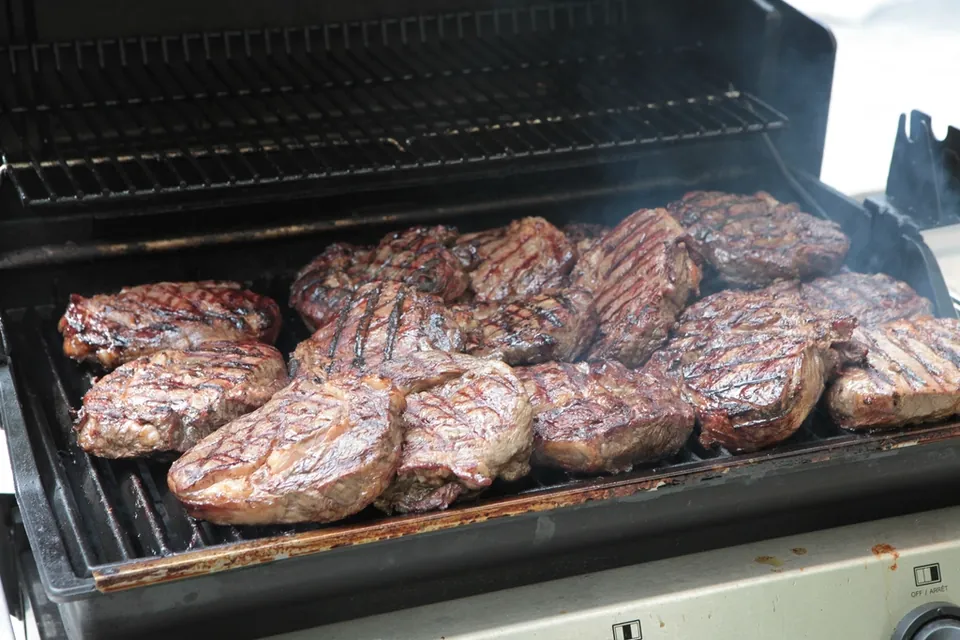
The Spirit is the mid-size, mid-price family in Weber's gas grill line-up. The Spirit II, introduced in 2017, replaced the generation launched in 2013, and both are now common on the second-hand market. On paper the two are close: similar footprint, similar cooking area, similar burner count. The differences are in how they light, how they handle grease, how the cart is built and which spare parts fit. This guide compares them from published specifications and explains what to look at before buying either one used.
Hob & Ember is not affiliated with Weber and has no commercial relationship with any seller. Figures below are taken from manufacturer descriptions of the US propane three-burner models; regional versions differ. Always check the rating label on the grill itself.
Side by side
| Spirit (2013 generation) | Spirit II (2017) | |
|---|---|---|
| Ignition | Crossover push-button ignition | Infinity Ignition (Weber advertised it as designed to light on the first try) |
| Burners, E-310 | 3 stainless burners; about 32,000 BTU/h total as published | 3 stainless burners; about 30,000 BTU/h total as published |
| Cooking area, E-310 | About 529 sq in including warming rack | About 529 sq in (3,413 cm²) including warming rack |
| Grease system | Catch pan and tray | Redesigned grease management with a centre pull-out tray |
| Cart | Often enclosed cabinet | Open cart on most models, with hooks and a tank holder |
| Thermometer | Lid thermometer | Lid thermometer; iGrill 3 mounting point |
| Fuel | Propane; natural gas on some models | Propane; natural gas on some models |
A lower BTU figure does not mean a cooler grill. BTU per hour measures gas input, not the heat that reaches the food: cookbox size, lid design, grate material and how heat is spread all matter. The two generations are rated within a few percent of each other, which is too small a gap to matter in practice.
What GS4 changed
Weber grouped four changes under the GS4 name: the ignition, the burners (tapered to give more even gas flow along their length), the Flavorizer bars that sit over the burners, and the grease management system. In everyday use the most noticeable are lighting reliability and cleaning: grease is channelled to a tray you pull out from the front, beneath the cookbox, rather than collected at the side or back. If you are choosing between two used grills in similar condition, those are the practical advantages of the newer design.
How to tell which one you have
- Read the rating label. The model name and serial number are on a label usually found inside the cart door, on the frame or under a side table. The serial number encodes the year of manufacture; Weber's support site and customer service use it to identify parts.
- Look at the cart. An open frame with a propane tank visible at the side or bottom usually indicates a Spirit II; a closed cabinet with doors usually indicates an earlier Spirit (some variants differ).
- Look at the grease tray. A tray pulled from the front centre under the cookbox points to the Spirit II.
- Look for the iGrill 3 mount on the side table or near the controls on Spirit II models designed for it.
Parts compatibility
Because burner spacing and cookbox dimensions changed, Flavorizer bars, cooking grates and burner tubes from one generation generally do not fit the other. Even within a generation, two- and three-burner models use different lengths. Search for parts with your exact model number on the manufacturer's website or in the owner's manual. If you are weighing up replacement bars, our guide to stainless versus porcelain-enamelled Flavorizer bars explains the trade-offs.
Inspecting a used grill
- Cookbox. Lift out the grates and bars. Look for holes or heavy corrosion in the cast-aluminium cookbox base; surface grime cleans off, holes do not.
- Burners. Check the ports along each burner tube. Rust flakes are common; ports enlarged or joined by rust mean the burner should be replaced.
- Flavorizer bars and grates. Porcelain chipping and rust-through are normal wear. Price them in.
- Ignition. Try to light each burner in turn, lid open, following the instructions on the grill. Note whether it lights reliably.
- Hose and regulator. Look for cracks, brittleness or chewing by animals.
- Leak test. With the burners off, brush a 50/50 mix of washing-up liquid and water on the hose, regulator and valve connections, then open the cylinder valve. Growing bubbles mean a leak: close the valve and do not use the grill until it is fixed. The National Fire Protection Association recommends this check at least once a year.
Cooking performance
For the food, the deciding factors are the same on either generation: preheat with the lid closed for 10 to 15 minutes, keep grates clean and oiled, use direct heat for thin cuts and indirect heat (one burner off, food over it) for thick ones, and check doneness with a thermometer rather than time. The USDA's safe minimum internal temperatures apply whatever the grill.
Which to choose
New, the choice no longer arises: Weber has since replaced both generations with newer Spirit models. Used, a Spirit II in good condition is generally the easier grill to live with thanks to its ignition and grease tray, and its parts are likely to remain available for longer. An earlier Spirit with a sound cookbox and new burners and bars can be a perfectly good grill. Condition matters far more than generation.
Safety reminders
- Use gas grills outdoors only, away from walls, eaves and overhanging branches.
- Open the lid before lighting, so unburnt gas cannot accumulate.
- If you smell gas while cooking, turn off the burners and the cylinder valve, and move away; call the fire service if the smell continues.
- Store propane cylinders outdoors, upright, never in a garage or basement.
Sources
- Weber, product information, owner's manuals and parts lookup by model number.
- National Fire Protection Association, Grilling safety tips (gas leak check).
- USDA Food Safety and Inspection Service, Safe minimum internal temperature chart.
 Grill & smoke
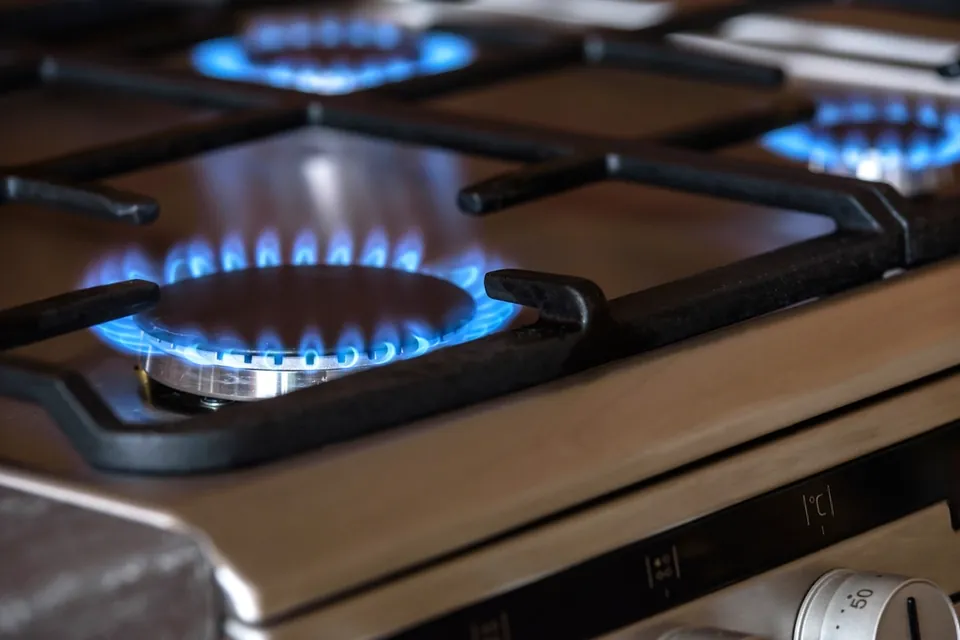
Flavorizer bars compared
What flame tamers do, how the two materials age, signs of wear, and how to order the right replacements.
 Grill & smoke
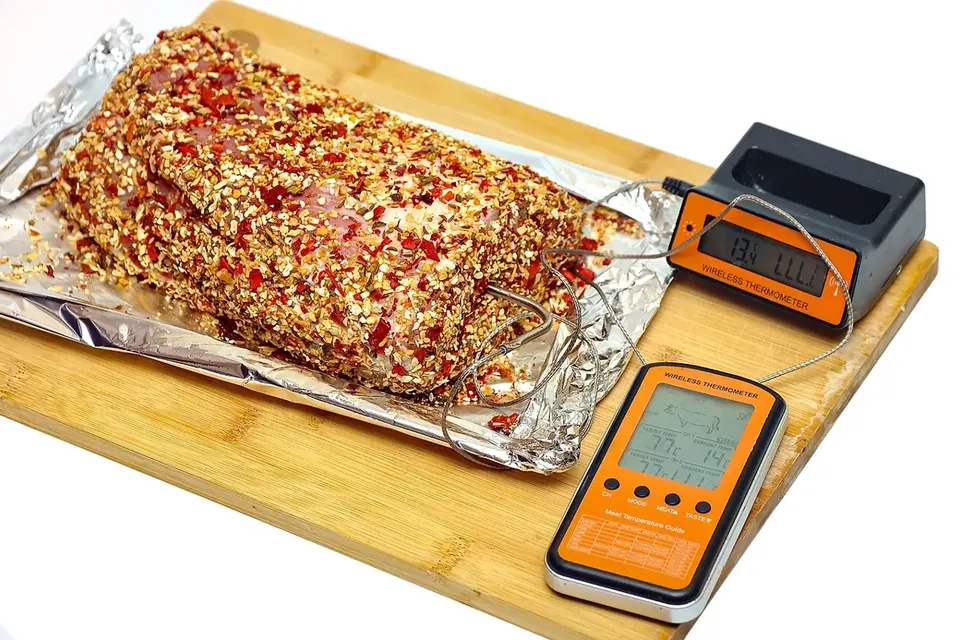
iGrill 2 vs iGrill 3
Standalone versus grill-mounted, probes, battery and app, plus a ten-minute accuracy check for any probe.
 Grill & smoke
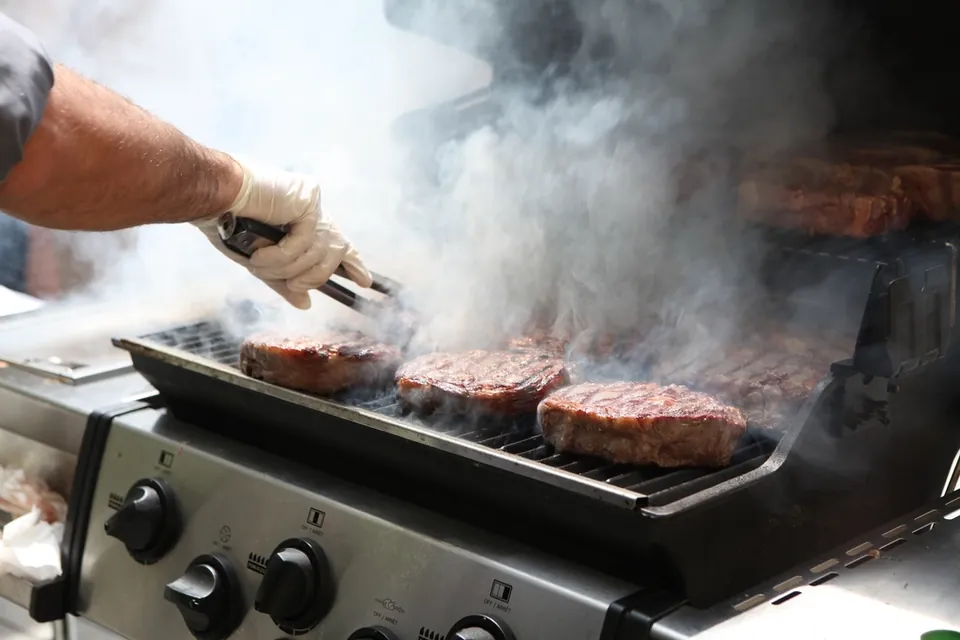
Q1200 vs Q2200
Cooking area, burner rating and footprint from the published specs, plus the rules for small cylinders.