Weber Q1200 vs Q2200: Size, Burner Output and Portability Compared from the Specs
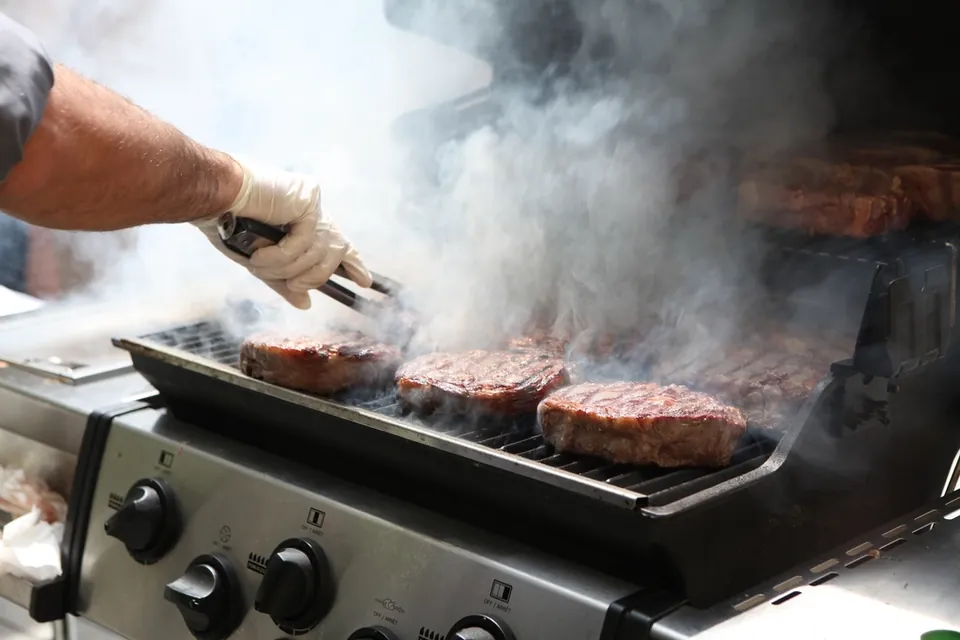
The Q1200 and Q2200 are two sizes of the same idea: a cast-aluminium, single-burner portable gas grill with a high domed lid, porcelain-enamelled cast-iron grates and fold-out side tables. The bigger Q2200 offers about half again as much grilling space and a stronger burner; the Q1200 is easier to carry and store. Which suits you depends on how many people you cook for and where the grill will live.
Hob & Ember has no affiliation with Weber and receives nothing from any seller. Figures are taken from manufacturer and retailer specifications for the US models; check the label on a specific grill, and note that newer "N" versions differ.
Side by side
| Q1200 | Q2200 | |
|---|---|---|
| Cooking area | About 189 sq in | About 280 sq in |
| Burner | 1 stainless steel burner, 8,500 BTU/h | 1 stainless steel burner, 12,000 BTU/h |
| Grates | Porcelain-enamelled cast iron, split | Porcelain-enamelled cast iron, split |
| Ignition | Push-button electronic | Push-button electronic |
| Lid thermometer | Yes | Yes |
| Side tables | Folding | Folding, larger |
| Fuel | Disposable cylinder; adapter for larger tank | Disposable cylinder; adapter for larger tank |
| Feeds, roughly | 2–4 people | 4–6 people |
The burner rating rises by about 40 percent from the smaller to the larger grill, and the cooking area by about 48 percent, so heat per square inch is broadly similar. Both have one burner running in a loop around the cookbox, which means there is no true two-zone set-up as on a multi-burner grill: for indirect cooking you rely on the lower heat setting, a roasting rack or a foil tray, rather than a burner switched off.
Portability and footprint
Retailer listings disagree on exact weights, so weigh one in a shop if carrying distance matters. In general, the Q1200 can be carried by one person to a car boot or a picnic table; the Q2200 is noticeably longer and better suited to a balcony, a camper or a stand where it stays put. Both have optional carts and stands. Check the length with tables folded against your car boot or storage shelf.
Fuel: small cylinders and larger tanks
Out of the box, both grills take the small disposable propane cylinders sold for camping stoves (commonly called 1 lb cylinders in the US, about 465 g of propane). A cylinder lasts from roughly one to a few hours of cooking depending on the setting. For regular home use, an adapter hose and a refillable 20 lb (9 kg) tank are cheaper per meal and less wasteful.
- Disposable cylinders are not designed to be refilled. In the US, refilled disposable cylinders are not permitted to be transported.
- Store cylinders outdoors, upright, out of direct sun, and never indoors, in a car for long periods, or near a heat source.
- Dispose of empty cylinders through your local household hazardous waste or recycling scheme, as some areas require.
Balconies and campsites
Many local fire codes in the US are based on the NFPA 1 Fire Code, which restricts open-flame cooking devices on combustible balconies of multi-family buildings but generally allows small LP-gas appliances using cylinders of about 1 lb capacity. Building rules, leases and local codes can be stricter, so check with your landlord or local fire department before using any grill on a balcony. Campsites and parks often have their own rules, especially during fire-risk periods.
Check a portable grill at home
- Preheat curve. Light the burner on high, close the lid and note the lid thermometer every two minutes for 15 minutes. A healthy grill reaches searing temperatures within 10 to 15 minutes in calm weather.
- Bread test for hot spots. After preheating, cover the grate with slices of white bread, close the lid for a minute and look at the toasting pattern. It shows where the heat is concentrated; you will usually find the edges near the burner loop hottest.
- Wind. Repeat the preheat with a light breeze. Small grills lose heat quickly in wind, which affects real cooking times more than the BTU figure.
- Leak test. Brush soapy water on the regulator and cylinder connection with the valve open and burner off. Growing bubbles mean a leak; do not use the grill until fixed.
Care
- Burn off residue for 10 to 15 minutes on high after cooking, then brush the grates.
- Empty and clean the drip tray regularly; built-up grease is the main cause of flare-ups and grease fires on small grills.
- Keep the burner tube and venturi free of spider webs and insects, which can block gas flow and cause flashback; the manual explains how to inspect it.
- Cover the grill or store it indoors once completely cool and with the cylinder removed.
The newer N versions
Weber has introduced revised versions sold as the Q 1200N and Q 2200N. Retailer descriptions mention a taller lid, a slightly larger cooking area and more burner output than the originals. If you are comparing a new grill with a used one, make sure you compare like with like, and check whether accessories such as griddles, stands and covers fit both versions.
Bottom line
For one or two people and real portability, the Q1200's size is a feature. For a family, a balcony that is the main grill, or cooking several things at once, the Q2200's extra area is worth the bulk. Either way, use a thermometer and follow the USDA's safe minimum internal temperatures.
Sources
- Weber, product specifications and owner's manuals.
- National Fire Protection Association, Grilling safety tips and NFPA 1 Fire Code.
- USDA Food Safety and Inspection Service, Safe minimum internal temperature chart.
 Grill & smoke
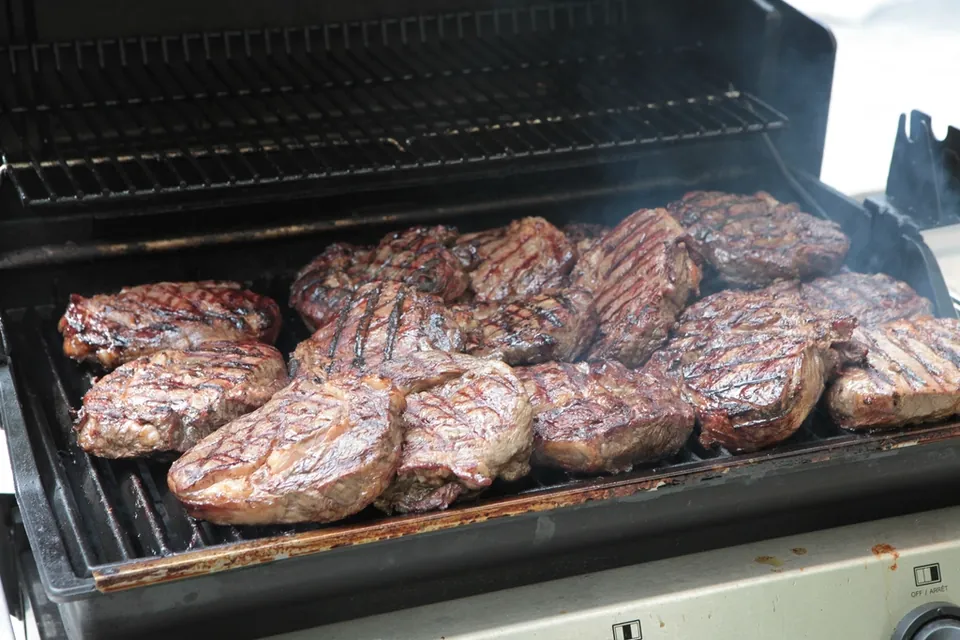
Spirit vs Spirit II
What changed between the two generations on paper, how to identify yours, and how to inspect a used one.
 Grill & smoke
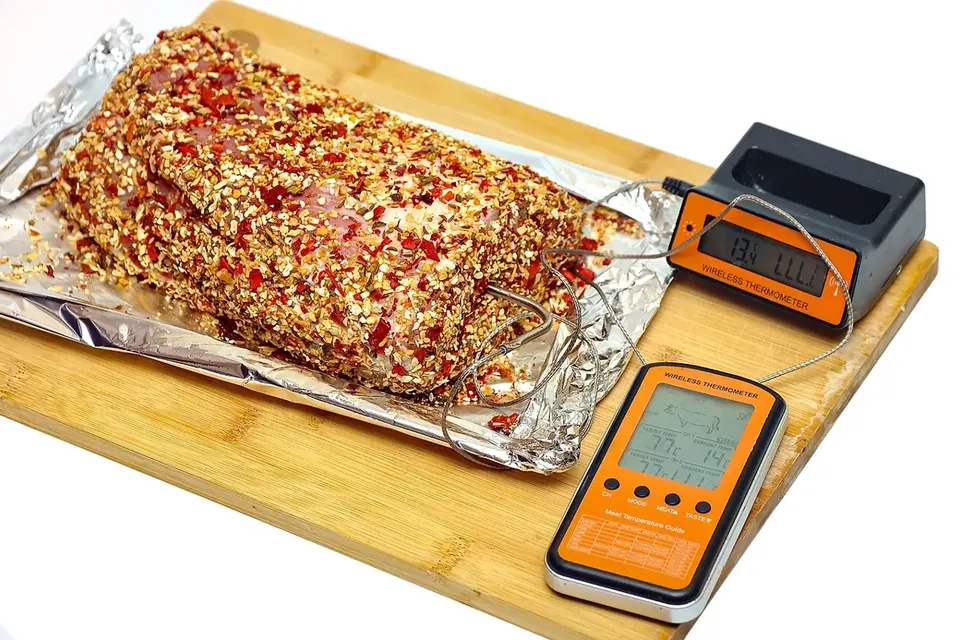
iGrill 2 vs iGrill 3
Standalone versus grill-mounted, probes, battery and app, plus a ten-minute accuracy check for any probe.
 Grill & smoke
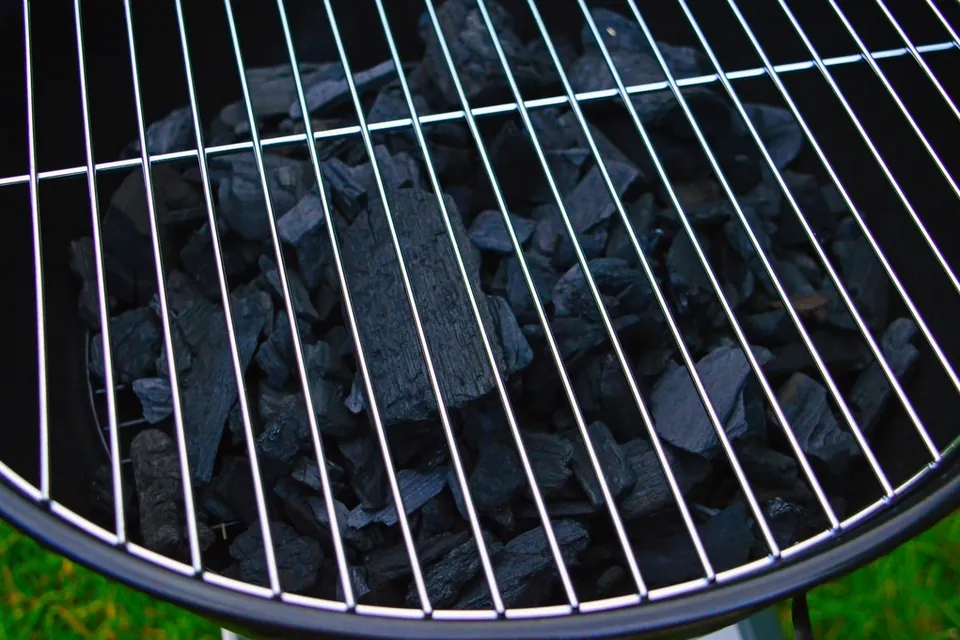
Lump charcoal, judged
Lump versus briquettes, and a simple home method to judge any bag by size, dust, burn and ash.