Lump Charcoal: How to Judge a Bag, and When Briquettes Are the Better Fuel
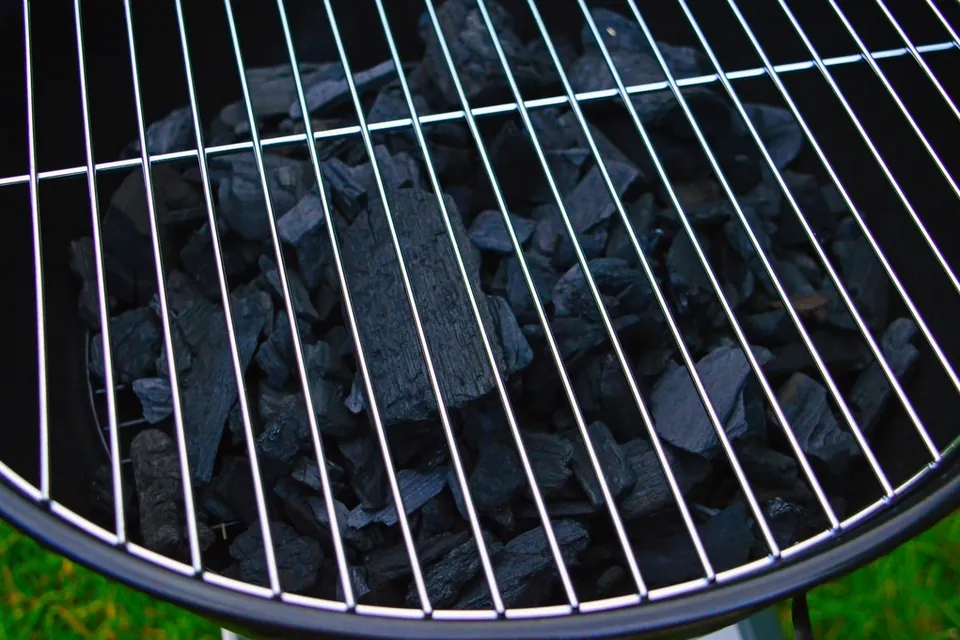
Lump charcoal is wood that has been heated with little oxygen until almost everything but carbon has been driven off. It lights faster, burns hotter and leaves less ash than briquettes, and that is why many people who grill over charcoal prefer it. But bags vary enormously, from fist-sized chunks of dense hardwood to sacks of splinters and dust. Here is how to tell the difference without a laboratory.
Lump versus briquettes
| Lump charcoal | Briquettes | |
|---|---|---|
| What it is | Carbonised pieces of wood | Charcoal fines pressed with a binder; some include mineral fillers or ignition aids |
| Lighting | Fast; small pieces catch first | Slower, unless pre-treated with lighter fluid ("match-light") |
| Heat | Hotter peak, more variable | Lower peak, steadier |
| Burn time | Shorter per kilo, depends on piece size | Longer and very predictable |
| Ash | Little | Noticeably more |
| Consistency | Varies bag to bag | Uniform shape and size |
Neither is "better". For a quick steak dinner or a pizza at high heat, lump is convenient. For a long, low cook where you want a steady 110 to 135 °C in a kettle or smoker, briquettes arranged in a snake or ring are easier to manage. Many cooks use both: briquettes as a stable base, lump to boost heat.
What is in the bag
Good lump is made from hardwoods: oak, hickory, maple, beech, or dense tropical and South American species such as quebracho. Denser woods give denser charcoal that burns longer. Some lump is made from sawmill offcuts, which can be fine, but bags that contain recognisable pieces of planks, plywood or flooring are a warning sign: treated or glued timber has no place under food.
Bags rarely state the species or origin in detail. Certification schemes such as the Forest Stewardship Council (FSC) label exist for charcoal and indicate that the wood came from responsibly managed forests, which is relevant because charcoal production is linked to deforestation in parts of the tropics.
Judge a bag at home
- Tip it out. Empty the bag onto a tarp outdoors and sort it roughly into large (fist-size or bigger), medium and small pieces plus dust. Weigh each pile on a kitchen or luggage scale. A good bag is mostly large and medium pieces by weight.
- Look for brown wood. Pieces with brown, uncarbonised wood inside will smoke heavily when lit. A few are normal; many mean poor production.
- Look for debris. Stones, metal, nails or pieces of painted or glued timber are reasons to stop using that bag.
- Time to ready. Fill a chimney starter to the same level each time and time how long until the top pieces are covered in grey ash. Write it down so you can compare bags.
- Burn curve. With the lid on and vents set the same way, record the lid or grate temperature every 15 minutes with a reliable thermometer. A dense, well-made charcoal holds heat longer.
- Sparks and smell. Some popping is normal, especially with certain species. Persistent showers of sparks or acrid chemical smells are not.
- Ash. After a full burn, weigh the cooled ash. Less ash per kilo burnt usually means purer charcoal.
Lighting without lighter fluid
A chimney starter is the simplest tool: a metal cylinder with a grate, charcoal on top, a sheet or two of newspaper or a natural fire starter underneath. Hot air rising through the column lights the charcoal evenly in roughly 10 to 20 minutes. Electric starters and paraffin-wax or wood-wool cubes also work. Lighter fluid works too, but it must be used only as directed on the label and never added to burning or hot coals. Never use petrol (gasoline), which can explode.
Controlling heat
Charcoal burns according to how much oxygen it gets. Open the bottom vent for more heat, close it partly to slow the fire; the top vent mainly controls how quickly smoke and hot air leave. A two-zone fire, with coals banked on one side, gives a hot side for searing and a cooler side for gentle cooking or moving food away from flare-ups. Use a probe thermometer for the food itself: the US Department of Agriculture's safe minimum internal temperatures are the reference, whatever the fuel.
Safety
- Carbon monoxide. Burning charcoal produces carbon monoxide, an odourless gas that can kill. The US Consumer Product Safety Commission warns never to burn charcoal inside homes, tents, vehicles or garages, even with doors open.
- Placement. The National Fire Protection Association advises keeping grills well away from the house, deck railings and overhanging branches, and keeping children and pets away from the grill area. See its grilling safety guidance.
- Ash disposal. Let coals cool completely before disposal; NFPA advises placing them in a metal container. Embers can stay hot for many hours.
- Storage. Keep charcoal dry. Damp charcoal is hard to light and, in large quantities, piles of fresh charcoal can self-heat; store bags in a cool, dry, ventilated place.
Does lump taste different?
Most of the flavour people associate with grilling comes from fat and juices dripping onto hot coals and vaporising, plus browning reactions on the food surface. Well-made lump and good briquettes both burn cleanly once fully lit. The chemical taste some people notice usually comes from lighting fluid or from putting food on before the coals are covered in ash. If you want wood flavour, add chunks of seasoned wood, as described in our guide to smoking woods.
Buying checklist
- Hardwood named on the bag, ideally the species and the country of origin.
- Bag weight and price per kilo, so you can compare honestly; large bags often hold more dust at the bottom.
- FSC or similar certification if sourcing matters to you.
- Your own notes from the home test above: piece size, time to ready, burn curve and ash.
Sources
- US Consumer Product Safety Commission, charcoal and carbon monoxide warnings.
- National Fire Protection Association, Grilling safety tips.
- USDA Food Safety and Inspection Service, Safe minimum internal temperature chart.
- Forest Stewardship Council, certification of forest products including charcoal.
 Grill & smoke
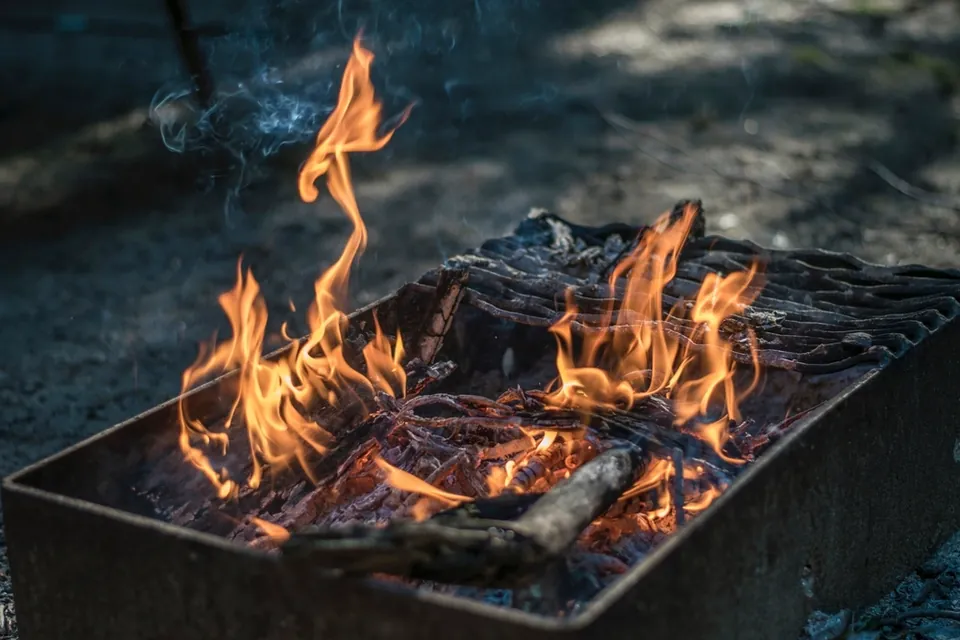
Smoking woods
Oak, hickory, mesquite or fruitwood: which suits brisket and chicken, and how to get clean, thin smoke.
 Grill & smoke
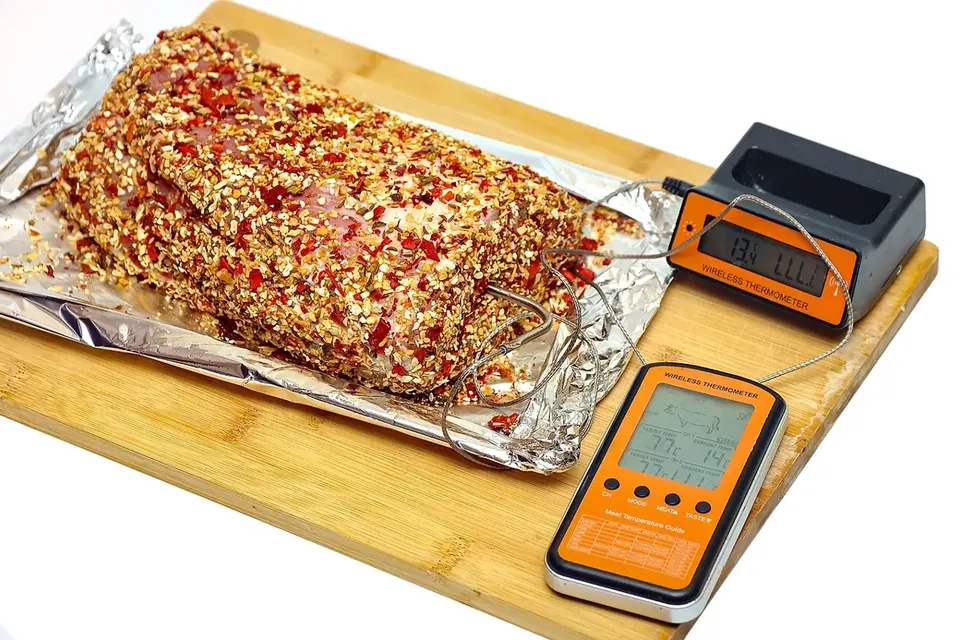
iGrill 2 vs iGrill 3
Standalone versus grill-mounted, probes, battery and app, plus a ten-minute accuracy check for any probe.
 Grill & smoke
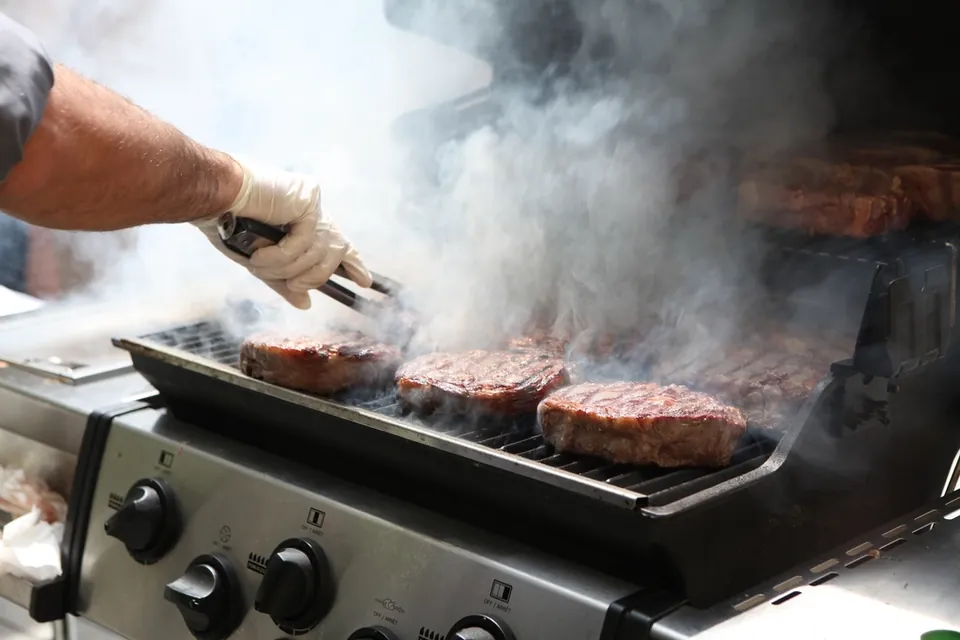
Q1200 vs Q2200
Cooking area, burner rating and footprint from the published specs, plus the rules for small cylinders.