Smoking Wood for Brisket, Chicken and More: Species, Seasoning, Pellets and Clean Smoke
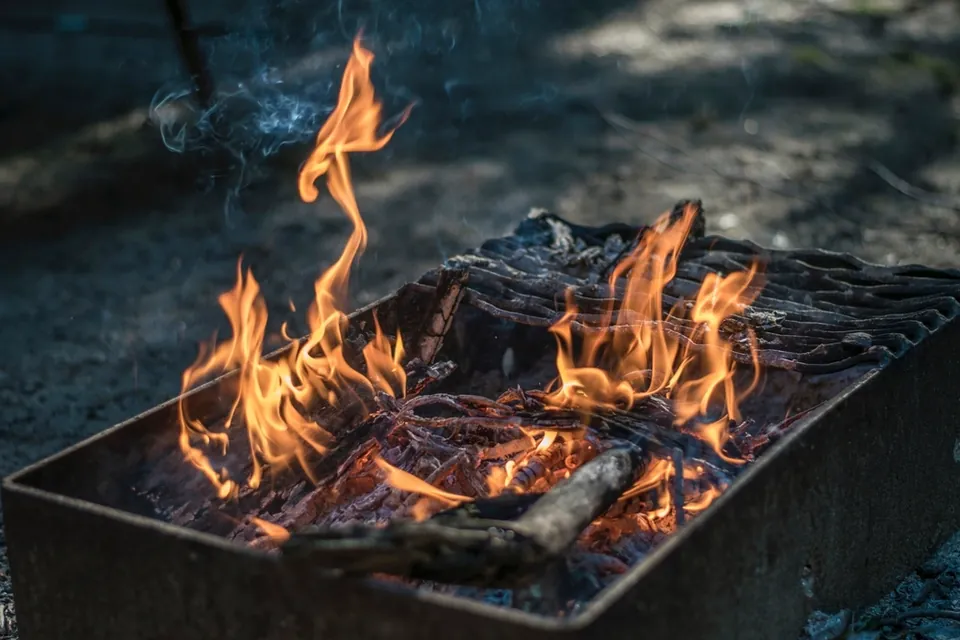
Smoke is a seasoning, and like any seasoning it can be used well or overdone. The species of wood matters, but less than most arguments suggest: what matters more is that the wood is a suitable hardwood, properly seasoned, and burning cleanly. This guide covers which woods suit brisket, pork and poultry, the different forms wood comes in, and how to judge it at home.
Common smoking woods
| Wood | Character | Classic uses |
|---|---|---|
| Oak (post oak, red, white) | Medium, clean, burns steadily | Brisket, beef ribs, all-purpose |
| Hickory | Strong, savoury, "bacon" notes | Pork shoulder, ribs, bacon |
| Mesquite | Very strong, earthy; burns hot and fast | Short cooks, beef; use sparingly in long smokes |
| Pecan | Like a milder, sweeter hickory | Brisket, pork, poultry |
| Apple, cherry | Mild, sweet; cherry adds colour | Poultry, pork, fish |
| Maple, alder | Mild; alder is traditional for salmon | Fish, vegetables, cheese |
Woods to avoid include pine, spruce, fir and cedar (as fuel), which are resinous and produce acrid smoke, as well as any timber that is treated, painted, stained, glued (plywood, chipboard) or salvaged from pallets of unknown history. Cedar planks used under fish on a grill are a different, indirect use.
Brisket: why oak works
A brisket cook can last 10 to 14 hours or more at roughly 107 to 135 °C (225 to 275 °F). Over that time, a strong wood can easily dominate. Oak burns evenly, produces good coals and gives a smoke flavour that supports beef without masking it, which is why it is the standard fuel in many Texas barbecue joints. Hickory or pecan blended with oak adds depth. Mesquite, popular in South Texas, is excellent for faster cooking and a few chunks go a long way. Brisket is generally cooked until it is probe-tender, often around 90 to 96 °C (195 to 205 °F) internally, then rested.
Chicken and poultry
Poultry skin absorbs smoke quickly, and strong woods can make it bitter. Fruit woods, pecan or oak are the usual choices. Chicken also benefits from higher temperatures than brisket, around 150 to 175 °C (300 to 350 °F), so the skin renders; long, low smoking gives rubbery skin. Whatever the wood, chicken must reach 74 °C (165 °F) in the thickest part, per the USDA's safe minimum internal temperatures.
Logs, chunks, chips or pellets
| Form | Best for | Notes |
|---|---|---|
| Splits / logs | Offset smokers, where wood is the main fuel | Need a well-managed, hot fire to burn cleanly |
| Chunks (fist-size) | Kettles, kamados, water smokers with charcoal | Two to four chunks are enough for most cooks |
| Chips | Gas and electric smokers, short cooks on a grill | Burn fast; use a smoker box or foil pouch |
| Pellets | Pellet grills; pellet tubes in gas grills | Use food-grade cooking pellets; many are blends |
Cooking pellets are compressed sawdust. Product labels vary: some are a single species, others combine a base wood with a flavour wood. If you want to know what you are burning, look for packaging that lists the species and states that the pellets are for cooking. Heating pellets for stoves may contain softwoods or additives and must never be used for food.
Seasoned wood and clean smoke
Freshly cut ("green") wood contains a lot of water. It smoulders, produces heavy smoke and creosote and burns cooler. Seasoned wood has been dried, typically for six months to a year or more, and burns cleanly. A common target for firewood is a moisture content of about 20 percent or lower.
The goal is thin, almost invisible, pale blue smoke. Thick white or grey billowing smoke means wood is smouldering without enough oxygen or is too wet; it deposits bitter compounds on food. Open the vents, give the fire more air, or use smaller, drier pieces.
Check your wood at home
- Moisture meter. An inexpensive pin moisture meter is the most objective check. Split a piece and measure the fresh inside face, not the outside. Around 20 percent or below indicates seasoned wood.
- Look and listen. Seasoned wood is lighter for its size, often has cracks (checks) in the ends, and two pieces knocked together sound hollow rather than dull.
- Bark. Loose bark is fine; mouldy wood is not. Discard wood with fungus or a musty smell.
- Smoke test. Add one chunk to a hot, established fire and watch the chimney or lid vent. Thin blue smoke within minutes means it is good; minutes of thick white smoke means it is wet or the fire needs more air.
To soak or not to soak
Soaking chips or chunks is a common tip, but water penetrates only the surface of wood even after hours. Soaked wood mainly produces steam before it smoulders, delaying clean combustion. Most experienced cooks use dry wood and control smoke with airflow and the size of the pieces. For chips in a gas grill, a closed smoker box or a foil pouch with a few holes keeps them from flaring.
Smoke and health
Cooking meat with smoke and at high temperatures forms polycyclic aromatic hydrocarbons (PAHs) and heterocyclic amines (HCAs), which the US National Cancer Institute notes are mutagenic in laboratory studies. Practical ways to reduce them include avoiding heavy, sooty smoke, trimming excess fat to reduce flare-ups, not charring meat, and removing blackened parts. Smoked meat is best enjoyed as part of a varied diet.
Safety
- Never burn wood or charcoal in an enclosed space; carbon monoxide can kill.
- Keep smokers well away from buildings, fences and dry vegetation, and follow local fire-ban rules.
- Store wood off the ground and away from the house to avoid pests and moisture.
- Let ash cool completely and dispose of it in a metal container.
Sources
- USDA Food Safety and Inspection Service, Safe minimum internal temperature chart.
- National Cancer Institute, Chemicals in meat cooked at high temperatures and cancer risk.
- US Environmental Protection Agency, Burn Wise (seasoned wood and moisture content).
- National Fire Protection Association, Grilling safety tips.
 Grill & smoke
Lump charcoal, judged
Lump versus briquettes, and a simple home method to judge any bag by size, dust, burn and ash.
 Grill & smoke
iGrill 2 vs iGrill 3
Standalone versus grill-mounted, probes, battery and app, plus a ten-minute accuracy check for any probe.
 Grill & smoke
Spirit vs Spirit II
What changed between the two generations on paper, how to identify yours, and how to inspect a used one.