Leftovers: How Long They Keep in the Fridge and Freezer, How to Cool Them Fast and How to Reheat Them
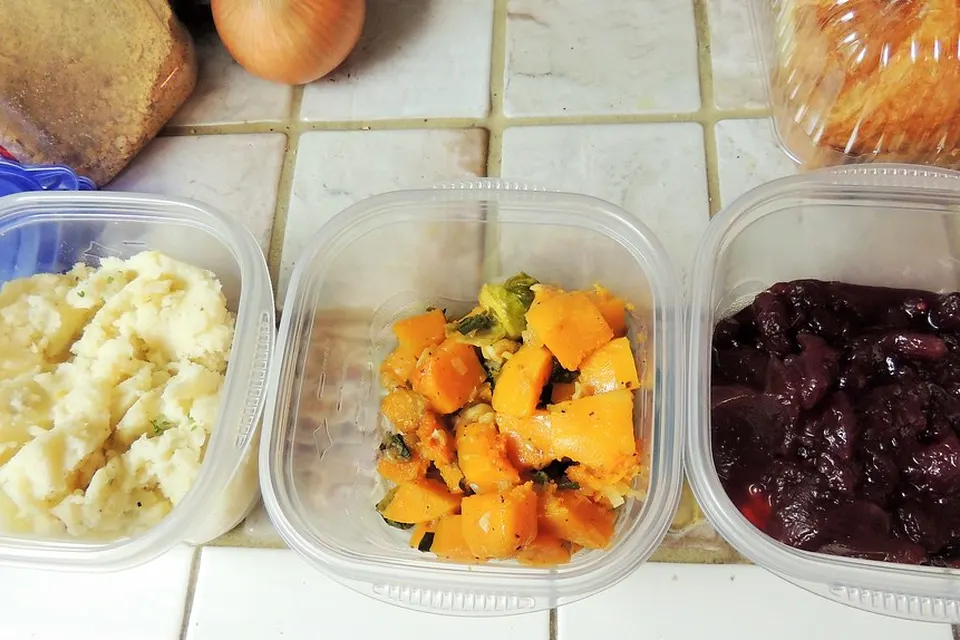
Leftovers are one of the quiet pleasures of home cooking: a second dinner for no extra work, a lunch box filled in a minute. They are also where a lot of home food poisoning starts, not because cooked food is dangerous in itself, but because it spends too long warm, waits too long in the fridge, or is reheated half-heartedly. The rules are short. What follows is the reasoning behind them, so you can apply them to dishes no chart lists.
Why the first two hours matter
Cooking kills most of the bacteria in food, but not all of them, and not their spores. Some bacteria survive cooking as spores, then germinate and multiply as the food cools through the warm range; a few, such as Bacillus cereus in rice and Clostridium perfringens in meat dishes and gravies, also produce toxins or cause illness in a way that reheating does not reliably undo. That is why the time a dish spends between "just cooked" and "properly cold" matters more than almost anything else you do with it.
US guidance draws the line at two hours at room temperature, and one hour when it is above 90 °F (32 °C), as on a summer table outside. The UK Food Standards Agency asks you to let cooked food cool at room temperature and put it in the fridge within one to two hours, and not to put hot or warm food straight into the fridge (FSA, How to chill, freeze and defrost food safely). In practice: let the steam go, then refrigerate.
The clock starts when the food comes off the heat, not when the meal ends: a long lunch can use up most of the two hours.
How to cool a big batch quickly
A deep pot of chilli or a whole roast holds its heat for hours, and the centre stays warm long after the surface feels cool. The fridge alone is slow at taking that heat out, and a large hot mass also warms everything around it. The answer is to change the shape of the food, not to wait.
- Divide it. Split soups, stews, sauces and grains into several small, shallow containers. The FSA recommends dividing food into smaller portions before refrigerating; the more surface there is for the volume, the faster the centre cools.
- Use an ice bath. Set the pot or the containers in a sink or a larger bowl of iced water and stir. University of Illinois Extension recommends exactly this for large batches (Illinois Extension, Leftovers).
- Carve the joint. Take the meat off the bone and slice it before it goes away. A whole chicken or a leg of lamb cools far more slowly than the same meat in slices.
- Leave lids off until the steam stops. Then cover, so the food does not dry out or pick up drips from above.
- Leave space around containers. Air has to circulate. A fridge packed tight after a big meal warms up and stays warm; see our guide to organising a kitchen for a fridge layout that leaves room for this.
How long leftovers keep in the fridge
This is where the advice from different countries differs, and it is worth knowing why rather than just picking the more convenient number.
| Advice | Fridge temperature | Eat leftovers within |
|---|---|---|
| Food Standards Agency (UK) | 0 to 5 °C | 48 hours, or freeze them |
| US guidance (USDA, university extension services) | 40 °F (4 °C) or below | 3 to 4 days |
Neither figure means food becomes dangerous at hour 49 or on day five. They are margins set for an ordinary home fridge, which is often warmer than its dial suggests and is opened many times a day. Some bacteria, Listeria among them, can grow slowly even at fridge temperature, and leftovers rarely smell or look wrong when they are unsafe. The shorter UK limit is the cautious choice for anyone pregnant, elderly, very young or with a weakened immune system. Whatever rule you follow, count from the day the food was cooked, not from the day it was moved to a smaller box.
Two foods deserve stricter handling. Cooked rice has its own rules because of the toxin mentioned above; they are set out in our guide to reheating rice safely. And dishes made from meat that was already thawed, or from cooked meat bought chilled, have used up part of their keeping time before you started: go by the earliest date involved, and never past a "use by" date on the original pack.
Labels and fridge order
The single most useful habit is a label: what the dish is and the date it was cooked, written on masking tape or a reusable marker. Without one, "Was that Sunday or Tuesday?" is a guess, and guesses tend to be optimistic.
Cooked food goes above raw food. Illinois Extension suggests the top or second shelf, above raw meat, poultry and seafood, so nothing can drip onto it; covered containers protect it further. Put the newest boxes at the back and move the older ones forward, the same "first in, first out" rule restaurants use. A weekly look through the fridge stops forgotten boxes piling up; our guide to cleaning a kitchen properly covers the fridge itself.
Freezing leftovers
Freezing stops bacteria from growing; it does not kill them. Its value for leftovers is that it pauses the clock, so freeze early, while the food is still fresh, rather than on the last day of its fridge life. The FSA advises freezing leftovers as soon as possible.
- Cool first. Cool the food as above, then freeze; a hot container slows the freezer and partly thaws what is next to it.
- Freeze flat and in portions. Flat bags freeze and thaw faster than tubs, and single portions mean you only thaw what you will eat.
- Quality, not safety, sets the limit. Frozen food kept frozen stays safe, but it dries and loses flavour. Illinois Extension suggests eating frozen leftovers within three to four months for the best quality.
- Thaw safely. Thaw in the fridge, or reheat straight from frozen. The methods and the refreezing rules are the same as for raw meat: see how to thaw meat safely.
The FSA adds one rule that is easy to forget: food that was frozen, cooked and frozen again should be reheated only once after that.
Reheating: hot all the way through
Reheating is not a rescue for food that was kept too long or cooled too slowly, but it does matter for food that was handled well. US guidance gives a target of 165 °F (74 °C) in the centre, checked with a food thermometer, and asks that soups, sauces and gravies be brought to a rolling boil. UK advice says the same in other words: steaming hot all the way through.
- Microwave: cover the dish loosely, stir or turn it halfway, and let it stand for a minute before testing, because microwaves heat unevenly and leave cold spots.
- Oven or hob: add a splash of water or stock to stews and grains, cover, and heat until bubbling, not just warm at the edges.
- Thermometer: push the probe into the thickest part or the middle of the dish. Any instant-read thermometer will do, provided it reads true: check it in iced water, where it should show 32 °F (0 °C).
- Once only: reheat the portion you will eat, not the whole batch again and again.
Leftovers checklist
- Into the fridge within two hours of cooking (one hour on a hot day).
- Big batches split into shallow boxes; ice bath for soups and stews.
- Label: dish and date cooked.
- Cooked food above raw food, older boxes at the front.
- Eat within your chosen limit: 2 days (UK) or 3 to 4 days (US). Freeze early if not.
- Reheat once, until steaming hot in the middle.
- When in doubt, throw it out: smell and look are no guide.
Sources
- Food Standards Agency (UK), How to chill, freeze and defrost food safely, consulted November 2026.
- University of Illinois Extension, Leftovers, consulted November 2026.
- US Department of Agriculture, Food Safety and Inspection Service, Leftovers and Food Safety.
 Ingredients & technique
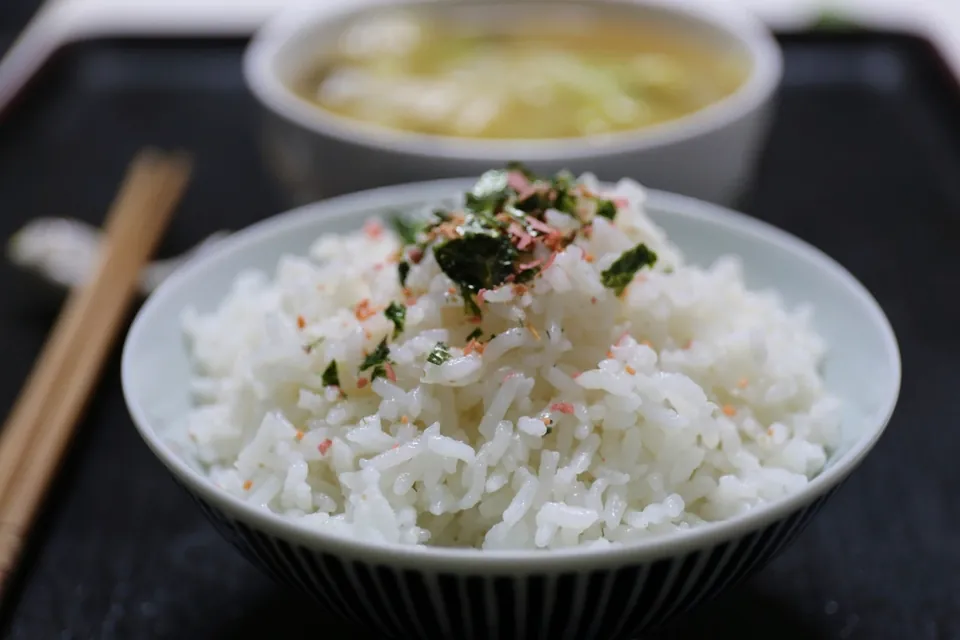
Reheating rice safely
Spores survive cooking and the toxin survives reheating. Cool fast, chill, and reheat once until steaming.
 Ingredients & technique
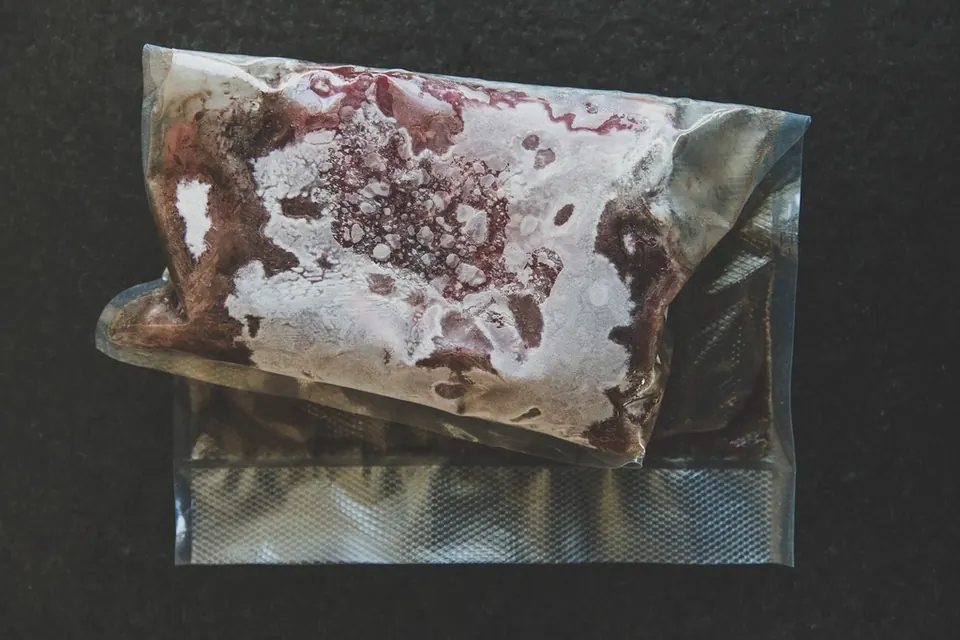
Thawing meat safely
Fridge, cold water or microwave, never the counter: timings, keeping times and the refreezing rules.
 The kitchen
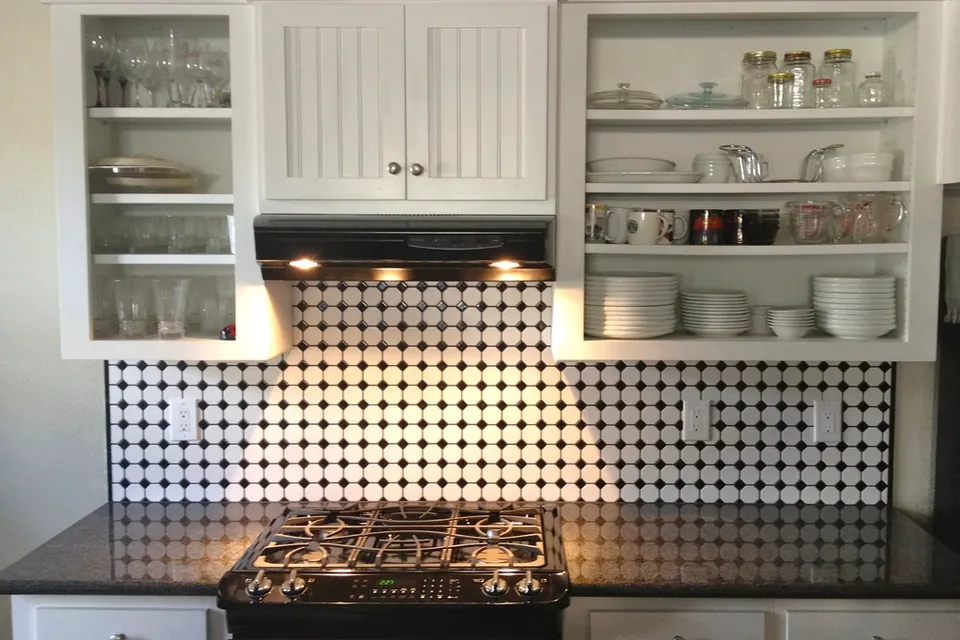
Organising a kitchen
Work zones, a fridge set to 4 °C, pantry rotation and the date-label rules, step by step.