How to Properly Clean a Kitchen: Cleaning vs Sanitising, Schedules, and Safe Products
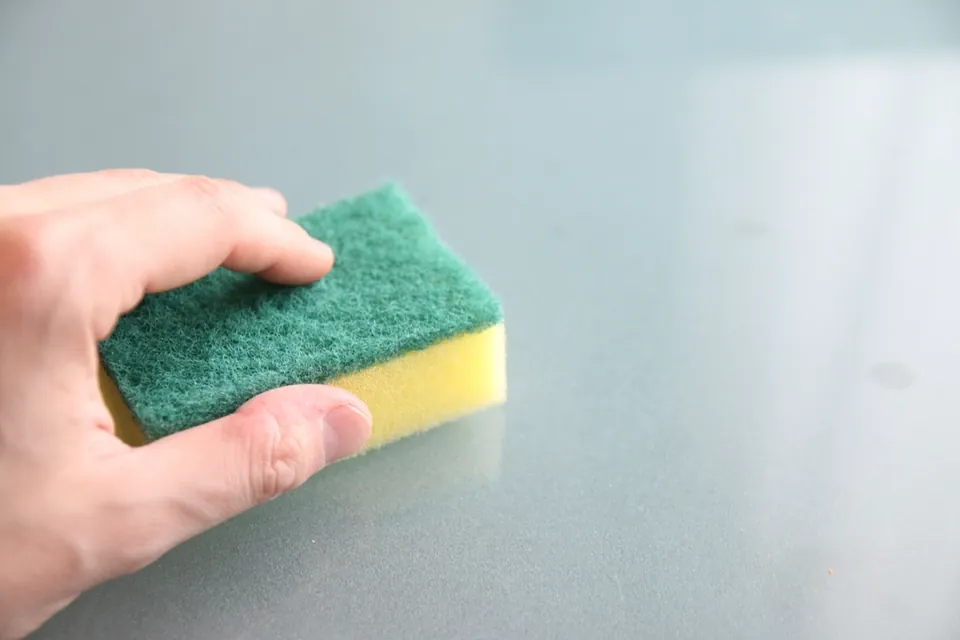
A kitchen can look spotless and still spread food poisoning, or look cluttered and be perfectly safe. What matters is where germs actually travel: from raw meat to hands, boards, taps and cloths, and from there into food that will not be cooked again. Food-safety agencies boil it down to four steps, clean, separate, cook and chill. This guide covers the first: how to clean a kitchen properly, with a routine that does not take over your week.
Cleaning versus sanitising
Cleaning removes food residue, grease and dirt, and with them most microbes, using detergent, warm water and friction. Sanitising reduces the remaining microbes to safe levels using heat or a chemical. Disinfecting is a stronger kill claim used on product labels. Sanitisers and disinfectants work poorly on dirty surfaces, so the order is always clean, rinse, then sanitise. On a product label, the contact time (how long the surface must stay wet) matters as much as the product.
The hot spots
Studies of home kitchens consistently find the highest contamination not on counters but on items that stay damp and get touched often:
- Sponges, dishcloths and tea towels
- Sink basins, drains and tap handles
- Cutting boards, especially scratched plastic ones
- Fridge handles, the vegetable drawer and the meat shelf
- Appliance buttons, can openers and the slicer or blender parts that are hard to reach
Cutting boards
Use separate boards for raw meat, poultry and seafood and for ready-to-eat food such as bread, salad and cooked food; colour coding makes this easy. The USDA advises washing boards in hot, soapy water after each use, rinsing and air-drying or patting dry with clean paper towels. Non-porous boards (plastic, glass, solid wood that is not cracked) can go in the dishwasher if the maker allows. To sanitise, the USDA suggests a solution of 1 tablespoon of unscented liquid chlorine bleach per gallon of water, flooded over the surface, left for several minutes, rinsed and dried. Replace boards with deep grooves that are hard to clean.
Sponges and cloths
- Squeeze sponges out and let them dry between uses; bacteria thrive in damp sponges.
- Sanitise sponges regularly (a damp sponge can be microwaved for a minute, or run through a hot dishwasher cycle) and replace them frequently.
- Use separate cloths for dishes, for surfaces and for floors, and wash them on a hot cycle.
- For raw-meat spills, paper towels you throw away are safer than a reusable cloth.
Do not rinse raw poultry
Rinsing raw chicken or turkey does not remove bacteria such as Salmonella and Campylobacter; it sprays them onto the sink, taps and nearby surfaces. The USDA advises against it. Cooking to 74 °C (165 °F) kills those bacteria. If you do rinse anything raw, clean and sanitise the sink and surrounding area immediately.
A realistic routine
| When | Tasks |
|---|---|
| After each cooking session | Wash and sanitise boards and surfaces used for raw food; wipe the hob; wash hands with soap for 20 seconds |
| Daily | Wash up or run the dishwasher; wipe counters, sink and tap handles; empty food bins; hang cloths to dry |
| Weekly | Clear out old food and wipe fridge shelves; sanitise sink and drain; clean microwave; wash cloths and towels hot; mop floor |
| Monthly | Clean extractor filters; descale kettle and coffee machine; clean dishwasher filter; wipe cupboard fronts and handles |
| Every few months | Deep-clean oven; pull out and clean behind appliances; clean fridge coils and door seals; check pantry for pests |
The fridge
Wipe spills straight away, especially raw meat juices. When cleaning more thoroughly, take out shelves and drawers and wash them in warm soapy water, then dry. A solution of baking soda in water is often recommended for the interior because it does not leave a strong smell. Check the temperature while you are at it: 4 °C (40 °F) or below, as recommended by the US Food and Drug Administration.
Chemicals: rules that matter
- Never mix bleach with ammonia (found in some glass cleaners) or with acids such as vinegar or some descalers and toilet cleaners. Mixtures release chloramine or chlorine gas.
- Use products as labelled, with the window open, and rinse food-contact surfaces after strong cleaners unless the label says otherwise.
- Keep products in their original containers, away from food and out of children's reach. In an emergency in the US, call Poison Control at 1-800-222-1222.
- Oven self-clean cycles reach very high temperatures and can produce fumes; ventilate well and keep pet birds out of the house.
Floors and footwear
Kitchens are a common place for slips: water, grease and dropped food on hard floors. Mop up spills immediately, use a degreasing floor cleaner where cooking fat accumulates, and put a non-slip mat with a rubber backing in front of the sink. For anyone who spends long hours cooking, in a busy home or professionally, closed-toe shoes with slip-resistant soles help; in professional settings, footwear is tested for slip resistance under standards such as ASTM F2913, and the US Occupational Safety and Health Administration sets rules for keeping work floors clean and dry.
Check your cleaning at home
- The torch test. At night, shine a torch at a low angle across the counter, hob and splashback. Grease films and smears you never see in daylight become obvious.
- The paper towel test. Wipe the top of the extractor hood and the fridge top with a damp paper towel. If it comes back grey, add those to the monthly list.
- The smell test. A sour smell from the sink, sponge or dishwasher filter means something is staying damp too long.
- The thermometer test. Leave a thermometer in a glass of water in the fridge overnight and check it reads 4 °C or less.
Hand washing
Most kitchen cross-contamination starts with hands. Wash with soap and running water for at least 20 seconds before cooking, after handling raw meat, eggs or unwashed vegetables, after touching the bin and after using the toilet. Dry with a clean towel. The US Centers for Disease Control and Prevention's hand-washing guidance sets out the steps.
Sources
- FoodSafety.gov, 4 steps to food safety.
- USDA Food Safety and Inspection Service, Cutting boards and food safety and Washing food: does it promote food safety?
- Centers for Disease Control and Prevention, About hand washing.
- US Food and Drug Administration, Are you storing food safely?
- Occupational Safety and Health Administration, Walking-working surfaces.
 The kitchen
Organising a kitchen
Work zones, a fridge set to 4 °C, pantry rotation and the date-label rules, step by step.
 Tools & appliances
Countertop dishwashers
Fit, faucet and tank options, ENERGY STAR and NSF/ANSI 184, and a home test with your own plates.
 Tools & appliances
Choosing a meat slicer
Blade size and type, gearing, guards and standards, and a cleaning routine that keeps Listeria away.