Is It Safe to Reheat Rice? Bacillus cereus, Cooling, Storing and Reheating Cooked Rice
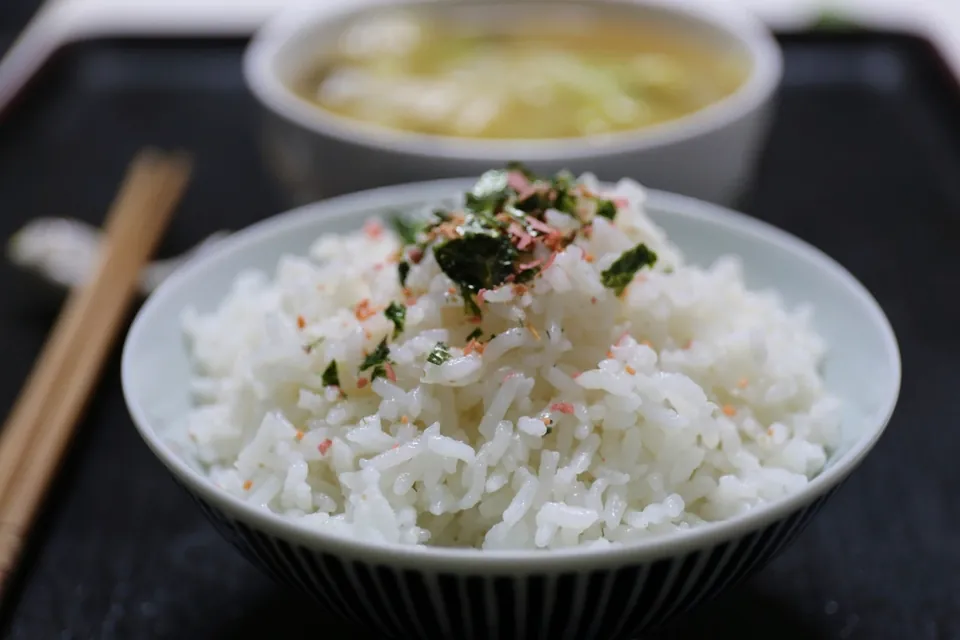
Yes, you can reheat rice safely, but cooked rice deserves more care than most leftovers. The problem is not the microwave. It is what happens in the hours between cooking and the fridge, when a common soil bacterium can wake up and produce a toxin that no amount of reheating will destroy.
Why rice is different from other leftovers
Bacillus cereus is a spore-forming bacterium found in soil and dust worldwide, which is why it turns up on grains, rice and dried foods. Spores are a dormant, armoured form of the bacterium. According to the German Federal Institute for Risk Assessment (BfR), they are not reliably killed by cooking; a fact sheet from the University of Florida's food-science extension describes them as extremely heat resistant.
Boiling rice therefore does two things at once: it kills the ordinary, active bacteria, and it leaves the spores behind in a warm, moist, starchy food with little competition. If the rice is then kept between fridge and serving temperature for hours, for example left in the pan on the hob overnight or in a rice cooker that has been switched off, the spores germinate and the bacteria multiply.
The toxin that reheating does not remove
Some strains of B. cereus produce a toxin called cereulide while they grow in the food. The BfR describes cereulide as extremely resistant to heat, acidity and digestion, and notes that cereulide poisoning is frequently associated with cooked starchy foods such as rice and pasta dishes. Because the toxin is already in the food, reheating may kill the bacteria but leaves the toxin intact. That is why "I heated it until it was piping hot" is not a defence for rice that sat out all night.
The BfR distinguishes two forms of illness:
| Form | Cause | Onset after eating | Main symptoms |
|---|---|---|---|
| Emetic (vomiting) | Cereulide toxin already formed in the food | 0.5 to 6 hours | Nausea and vomiting |
| Diarrhoeal | Toxins produced in the gut by bacteria that were eaten | 6 to 24 hours | Abdominal pain and diarrhoea |
Both forms are usually short-lived, according to the BfR, but very rare severe cases have been reported. Young children, older people, pregnant people and anyone with a weakened immune system should be particularly careful, and anyone who cannot keep fluids down, or whose symptoms are severe or persistent, should seek medical advice.
Cooling: the step that matters most
The BfR's prevention advice for cooked foods is simple: either keep them hot (at 60 °C or above throughout) or cool them rapidly to 7 °C or below. The danger lies in the long, lukewarm middle. In practice:
- Do not leave rice to cool in the pot. A deep mass of rice holds heat for a long time, and the centre stays warm long after the surface feels cool.
- Spread it out. Tip leftover rice into a wide, shallow container or onto a tray so it loses heat quickly. Divide large batches into several containers.
- Get it into the fridge promptly. US federal advice (FoodSafety.gov) is to refrigerate cooked food within two hours, or within one hour if the room is above 32 °C (90 °F). The UK Food Standards Agency goes further for rice and advises cooling it as quickly as possible, ideally within one hour.
- Cover it once it is cold and put it where the fridge is coldest, at 4 °C (40 °F) or below, as described in our guide to organising a fridge and pantry.
Hot food does not need to cool to room temperature before going in the fridge; that advice is outdated. Shallow containers are what stop a warm batch from raising the temperature of everything around it.
How long cooked rice keeps
Here official advice differs between countries, and it is worth knowing both:
- United States: FoodSafety.gov's cold-storage chart gives three to four days in the refrigerator for cooked leftovers such as meat, poultry, soups and stews, and the same general rule is commonly applied to cooked grains.
- United Kingdom: the Food Standards Agency's consumer advice is more cautious for rice specifically: keep cooked rice in the fridge for no more than one day before reheating.
The more cautious UK advice reflects the particular risk of B. cereus in rice. If you cook rice in bulk for the week, freezing portions as soon as they have cooled is the safer way to keep it. Label containers with the date, and thaw frozen rice in the fridge or reheat it straight from frozen.
Reheating rice properly
- Heat it until steaming hot all the way through. The safe reheating temperature for leftovers in US guidance is 74 °C (165 °F); a probe thermometer takes the guesswork out of it.
- In the microwave, add a splash of water, cover loosely and stir halfway, because microwaves heat unevenly and leave cold spots.
- On the hob, stir-fry or steam the rice until every grain is hot.
- Reheat only once. The FSA advises against reheating rice more than once: each cooling and warming cycle is another chance for growth. Reheat only the portion you will eat.
- Never "reheat" rice that sat out. If cooked rice was left at room temperature for hours, discard it. Smell and appearance tell you nothing: the toxin does not change either.
Fried rice, rice salads and rice cookers
Day-old rice makes better fried rice because the grains are drier and separate in the wok. That is fine, provided the rice was cooled quickly and refrigerated, as above, and the finished dish is eaten hot or chilled again promptly. The same logic applies to sushi rice, rice salads and rice pudding: the safety comes from how the rice was cooled, not from how it is served.
A rice cooker's "keep warm" setting holds rice hot, and the BfR's guidance is that hot holding should keep food at 60 °C or above throughout. Follow the maker's instructions on how long rice may be held, and do not switch the cooker off and leave rice in it to cool slowly. Wash the inner pot after each use, as with any surface that touches cooked food (see our guide to cleaning a kitchen properly).
Other foods with the same risk
B. cereus is not only a rice problem. The BfR mentions pasta dishes, and the same cooling rules make sense for other cooked starches such as couscous, noodles and potatoes. It is one of several bacteria for which storage, rather than cooking alone, determines safety; garlic stored in oil, which can harbour Clostridium botulinum, is another example, explained in our guide to making and storing black garlic.
Leftover rice checklist
- Spread out to cool, ideally within one hour, and in the fridge within two hours at most.
- Keep it at 4 °C (40 °F) or below; eat within a day (UK advice) or freeze.
- Reheat once, until steaming hot throughout (74 °C / 165 °F).
- Rice that sat out for hours goes in the bin, not the microwave.
Sources
- German Federal Institute for Risk Assessment (BfR), Bacillus cereus, consulted October 2026.
- FoodSafety.gov (US Department of Health and Human Services), Safe minimum internal temperatures, consulted October 2026.
- FoodSafety.gov, Cold food storage chart, consulted October 2026.
- Food Standards Agency (UK), consumer advice on cooking, cooling and reheating rice.
- University of Florida IFAS Extension, Preventing Foodborne Illness: Bacillus cereus (fact sheet FS269).
 Ingredients & technique
Black garlic
Weeks of gentle heat turn garlic sweet and jammy. How it works, how to make it, and how to store it safely.
 The kitchen
Organising a kitchen
Work zones, a fridge set to 4 °C, pantry rotation and the date-label rules, step by step.
 The kitchen
Cleaning a kitchen properly
Clean first, then sanitise: boards, sponges, a weekly routine, and the products you must never mix.